.png)

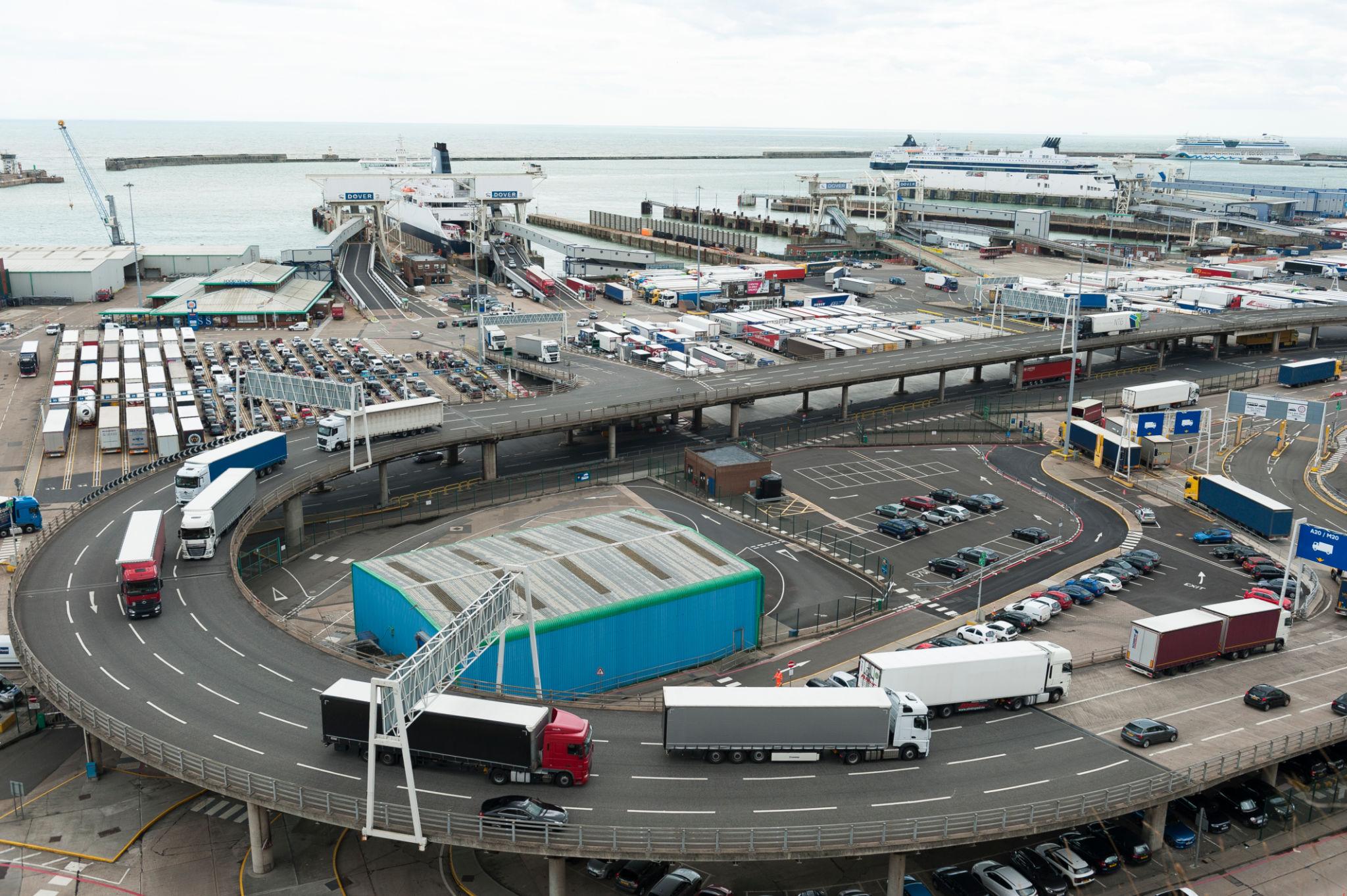
Moving goods between the EU and the UK through Dover or the Eurotunnel? Before the vehicle reaches the border, the correct customs declarations and GVMS requirements need to be in place.
For businesses importing goods into Great Britain by road, understanding how CDS, GVMS and the Goods Movement Reference (GMR) work together can help prevent unnecessary delays at the border.
This guide explains what you need before travelling and how the customs clearance process works.
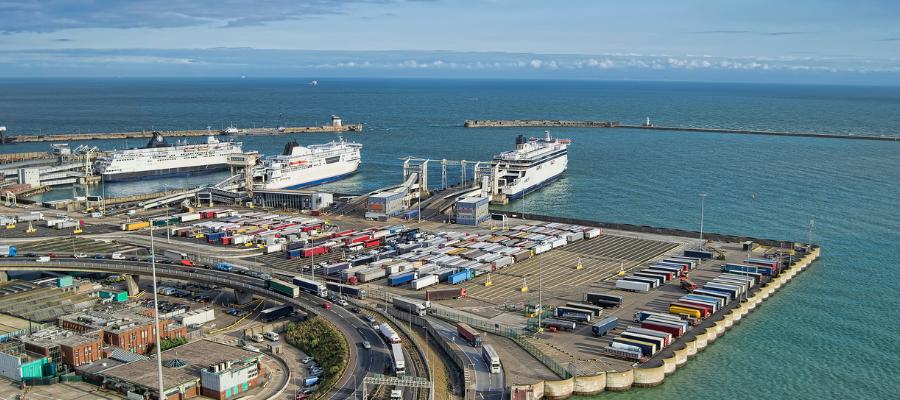
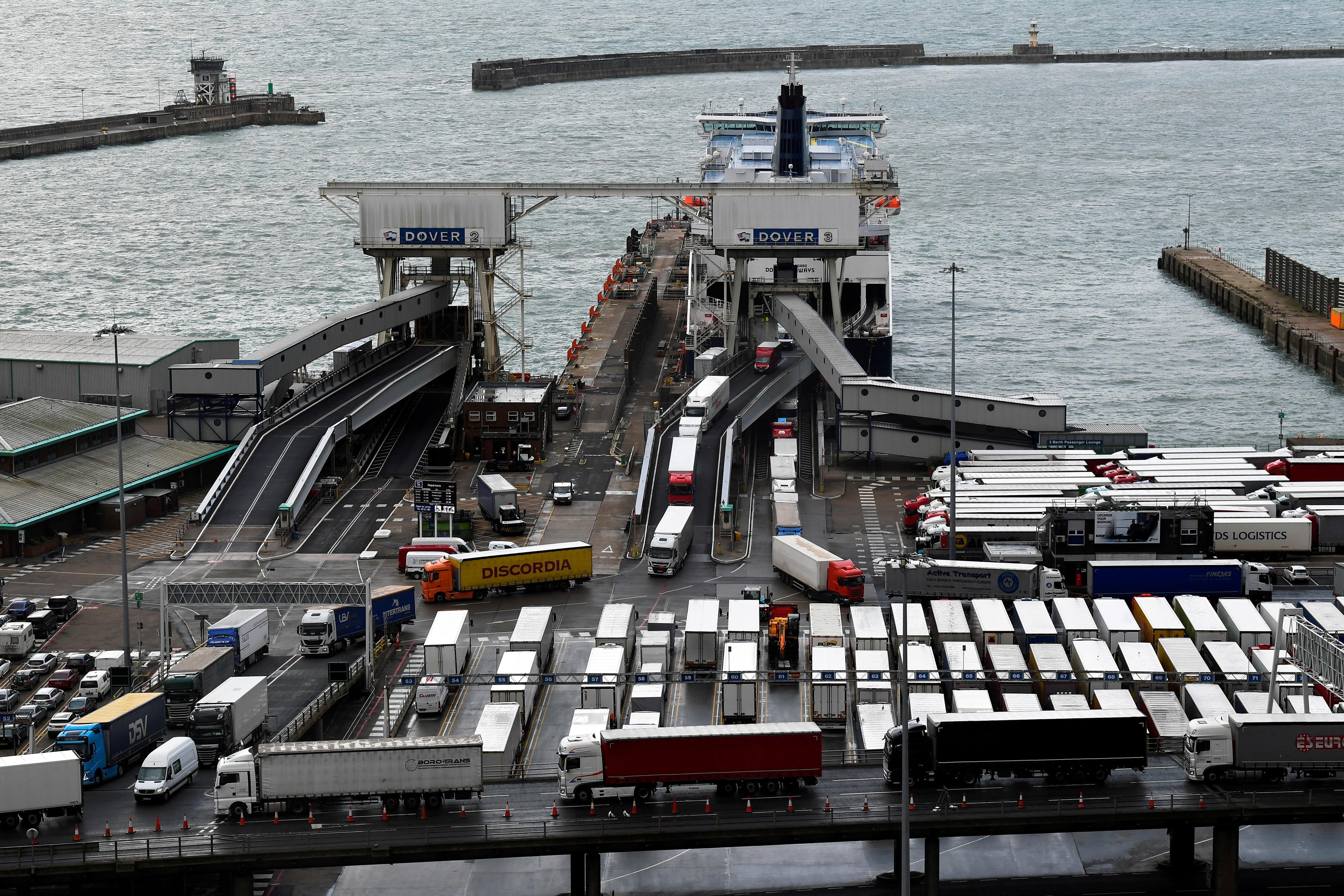
Dover and the Eurotunnel are major UK entry points for roll-on/roll-off (RoRo) freight traffic.
Movements through these routes commonly use the Goods Vehicle Movement Service (GVMS), which links customs declaration references to the vehicle or trailer carrying the goods.
For an import into Great Britain, the process will typically involve:
The exact requirements depend on the goods, route and circumstances of the movement.
To prepare an import declaration for goods travelling through Dover or the Eurotunnel, you will normally need information such as:
Additional information may be required depending on the type of goods being imported.
Providing complete and accurate documentation before the vehicle travels can significantly reduce the risk of customs delays.
GVMS stands for Goods Vehicle Movement Service.
It is the UK government system used to connect customs declarations with the physical movement of goods through certain ports and border locations.
Instead of presenting multiple customs declaration references separately at the border, the relevant references are linked together through a Goods Movement Reference (GMR).
Dover and the Eurotunnel are two of the most important routes where GVMS is used.
A Goods Movement Reference (GMR) is created through GVMS and identifies the customs movements associated with a particular vehicle or trailer.
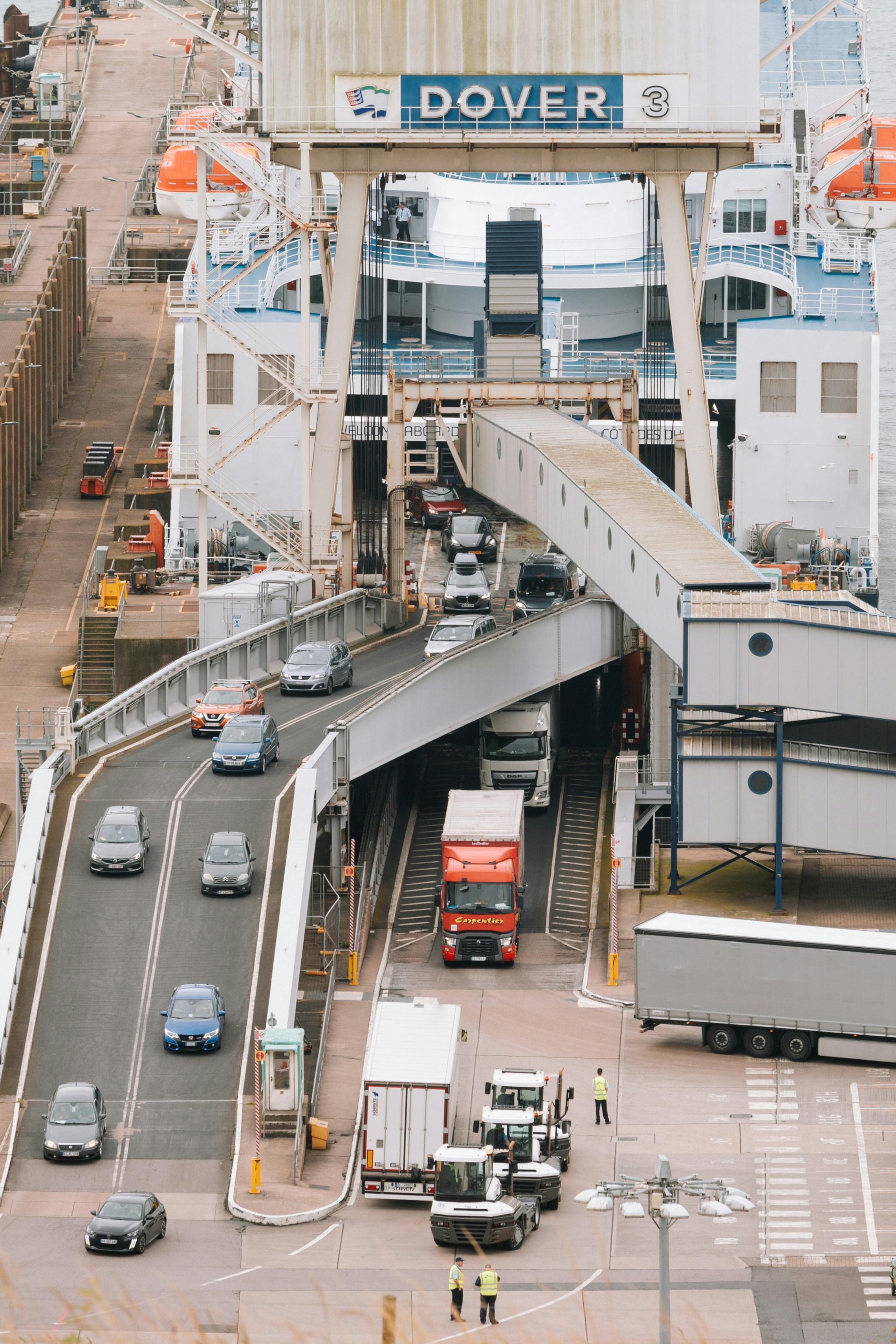
The driver is provided with the GMR, usually in the form of a reference and barcode, which is presented when checking in for the crossing.
A GMR should contain the correct declaration references before the vehicle arrives at the border.
Incorrect or missing information can prevent the vehicle from completing the crossing as planned.
For movements using GVMS, a valid GMR is generally required before the vehicle arrives at the port or terminal.
The GMR connects the vehicle movement with the relevant customs declarations.
If you're unsure whether your movement requires a GMR, it is best to check before the vehicle starts its journey rather than discovering a problem at the border.
Once the vehicle has crossed into Great Britain, the movement status should be checked.
Depending on the customs response, the goods may be able to continue their journey or further action may be required.
Drivers and transport operators should therefore make sure they know whether the movement has been cleared before continuing where customs instructions require a check.
Dover and the Eurotunnel operate differently from inventory-linked container ports such as Felixstowe and Southampton.
Inventory-linked ports may require declarations to be matched against a port inventory system and additional port release procedures.
Dover and the Eurotunnel primarily handle RoRo movements through GVMS, making the process different from an inventory-linked port clearance.
If you're unsure which system applies to your shipment, Customs Flow Declare can check the route before the declaration is submitted.
Customs Flow Declare can help prepare your UK customs declaration and GMR so the required customs information is in place before your vehicle reaches the border.
Whether this is your first import or you regularly move goods between the EU and the UK, we can help make the customs process straightforward.
Need a declaration for an upcoming movement?
Contact Customs Flow Declare with your commercial invoice, route and transport details and we'll confirm what is required.
Get a Customs Declaration Quote
Commercial goods entering Great Britain will generally require the appropriate customs declaration unless a specific exemption or alternative procedure applies.
Movements using GVMS generally need a valid Goods Movement Reference containing the required customs references before arriving at the port.
GVMS is used for relevant freight movements through the Channel Tunnel, with customs declaration references linked to a GMR.
Yes. Customs Flow Declare can prepare the UK import declaration and, where required, create the GMR for the movement.
Our standard import declaration service is £55. A GMR can be added for £15.
Ideally, the required customs arrangements should be completed before the vehicle begins its border crossing. Leaving customs documentation until the vehicle reaches Dover or the Eurotunnel can result in unnecessary delays.



.png)

.png)